7 Powerful Reasons to Use Fake Email in the United States
Whenever you sign up for a free trial or try something new online, you may start getting spam and marketing emails because your personal email is out there. Once you use a temporary email for short-term needs, you’ll think, “Why didn’t I do this before?”
What Is a Fake Email?
A fake email is a short-term email address that you can use to receive messages. The validity of these email addresses depends on the provider's retention policy.
When you use your personal email address on a website you don't trust, they can start sending you marketing, promotional, or spam emails. With a disposable email, you get what you need without receiving marketing, spam, or promotional emails in your primary inbox.
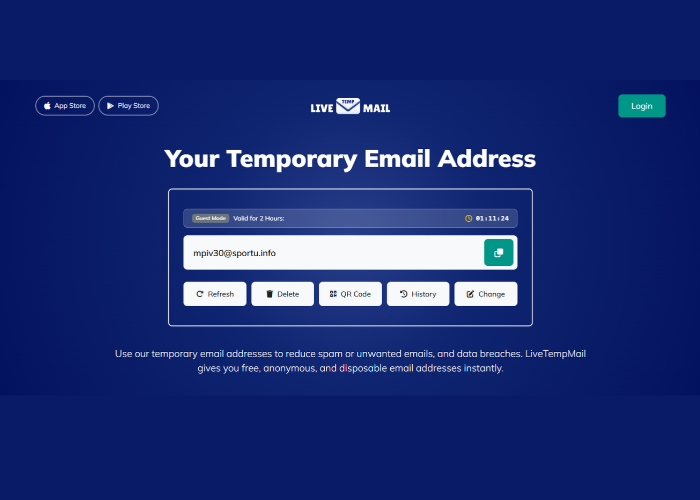
How Fake Email Services Create Temporary Addresses
These services use a set of domains and custom mail servers to generate random addresses.
Each address remains active for a set time, for example, from 10 minutes to a couple of days, depending on the provider's retention policy.
The provider's server may also delete all messages it receives, and they may not be recoverable.
In temporary email services, the expiration behavior for addresses, inboxes, and received messages may vary.
Reasons to Use Fake Email in the United States
There are many useful reasons to use fake email addresses; some of them are listed below.
Promotional Newsletter
Many US shopping websites, blogs, and online services let users subscribe to newsletters. If you just want to check a specific promotional offer or newsletter, a fake email address can help. This keeps your personal inbox free of unnecessary marketing emails.
Secondary Social Accounts
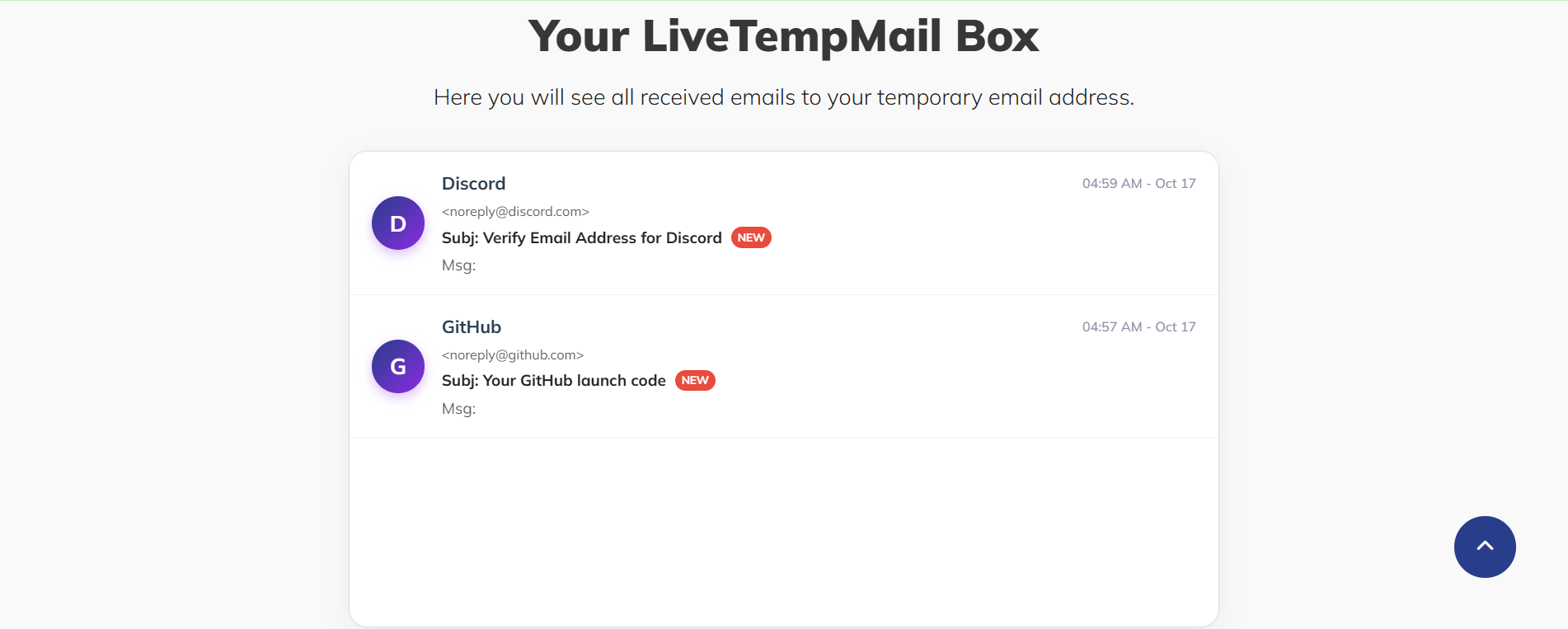
If you want to create an extra account on platforms like Reddit or Discord for gaming, online communities, or personal interests, a temporary email address can be helpful. For example, if you want to join a gaming community but don’t want to share your primary email address, you can use a temporary one for registration if the platform accepts it. Some platforms do not accept disposable email addresses. Furthermore, if a temporary inbox expires, it may become difficult to reset your password or recover your account in the future.
Free Software Trials
Many US software companies offer a trial period, but they may ask you to confirm your email address. You can use a temporary email address if they accept it. However, for account recovery and long-term access, use a permanent email address.
Snagging Instant Discounts
In the US, people shop at Amazon, Walmart, Target, and other online stores. Many retailers offer promotional deals and discount codes when you sign up for their newsletters. In these cases, using a fake email address can keep promotional emails out of your personal inbox, as long as the retailer accepts disposable email addresses.
Short-Term Website Registrations
Some US websites require an email address to download a free document, to access free resources, or to register for an event. If you just need the account once, a free temporary email address can help you to download, access, or register without sharing your personal email.
Online Giveaways and Contests
Many giveaways and contests are offered by brands and websites in the US. If the brand or the website accepts fake email addresses, a temporary email can help reduce marketing messages in your personal inbox. However, organizers may contact winners later, and you can’t receive messages at an expired address.
Test Software or Web Forms
Temporary email addresses also help programmers, developers, and testers. For instance, if a developer wants to test a registration form, an email verification system, or welcome email functionality, they can use a temporary email address to confirm messages are received correctly. But don't rely solely on temporary email services for critical testing because temporary email providers may hold, block, or delete some of the messages. For testing long-term email delivery or account recovery processes, a dedicated test inbox is a more suitable option.
Final Thoughts: When Fake Email Makes Sense
The purpose of a temporary (or "fake") email address is not to deceive anyone, but rather to protect your personal email address from unwanted spam, promotional emails, and unsolicited newsletters. LiveTempMail can help you to register on an unfamiliar website, try an online service, access a short-term free trial, or simply protect your privacy. However, for important or long-term accounts, it is best to use your permanent email address.